
The Problem Isn’t Grogu. The Problem Is That Many Of Us Miss Who We Were When We First Encountered Star Wars.
On the Loss of Wonder and Why I’m Still Grateful for Star Wars

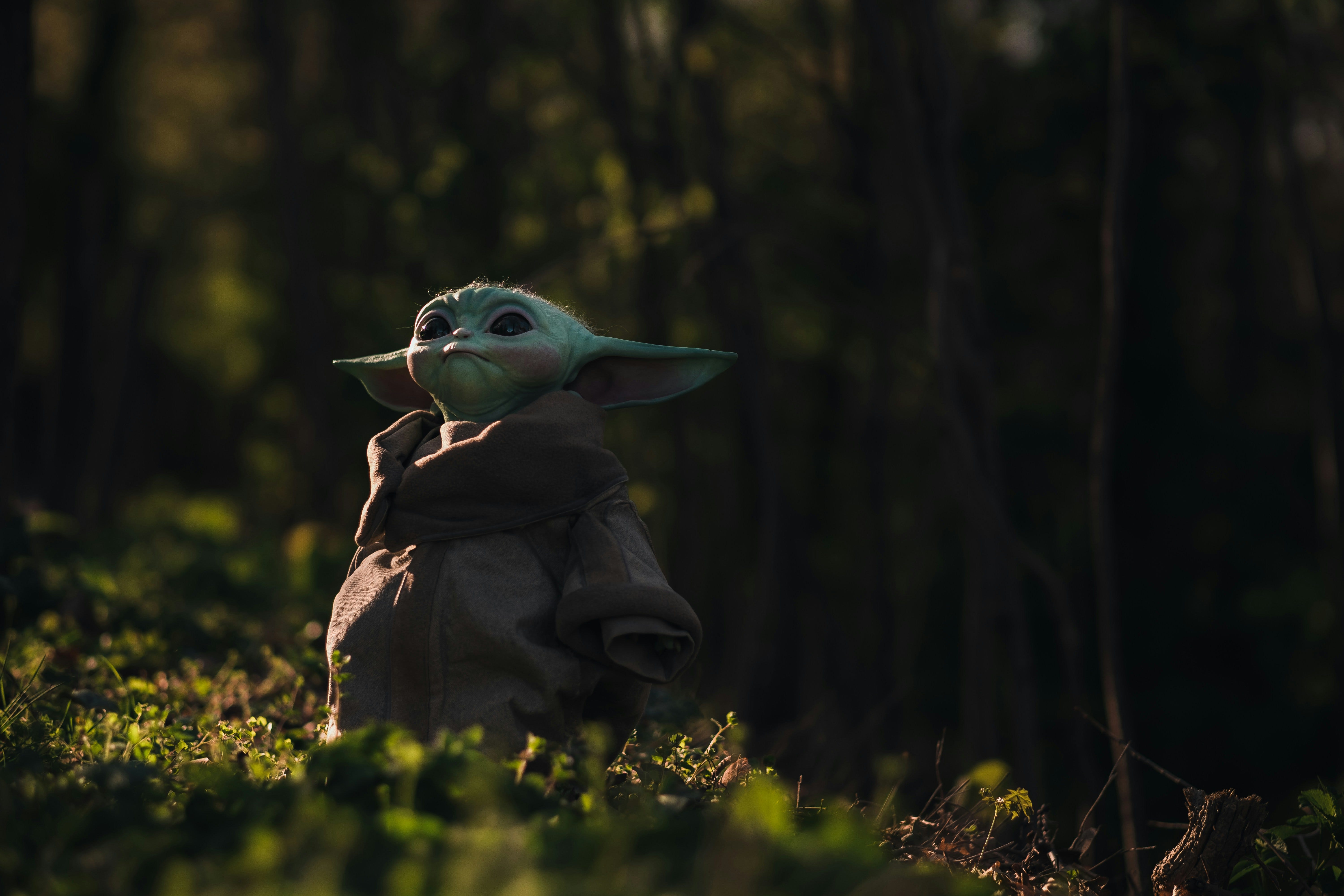
Allow me to briefly step away from shadow work, Greek myth, pilgrimage, contemplative spirituality, and the Enneagram to offer a defense of hope and a reminder that it’s okay to feel wonder again.
I don’t think Star Wars was the very first movie I ever saw in a theatre, but it is absolutely the one I remember most clearly.
It was the summer of 1977 and I remember standing outside the cinema with my dad in a line that wrapped around the building. I had no idea what we were about to see, and pretty sure no one entirely did. Back in the day there was no internet speculation, no YouTube breakdowns, no spoiler culture, and no endless debates about canon before the opening credits even rolled across the screen.
Two hours later I walked outside the movie feeling like something fundamental inside me had shifted. I didn’t have language for it then, but I think what I experienced was wonder. Genuine and pure wonder. The kind that rearranged my childhood imagination and left the world feeling larger than it seemed to be only moments earlier.
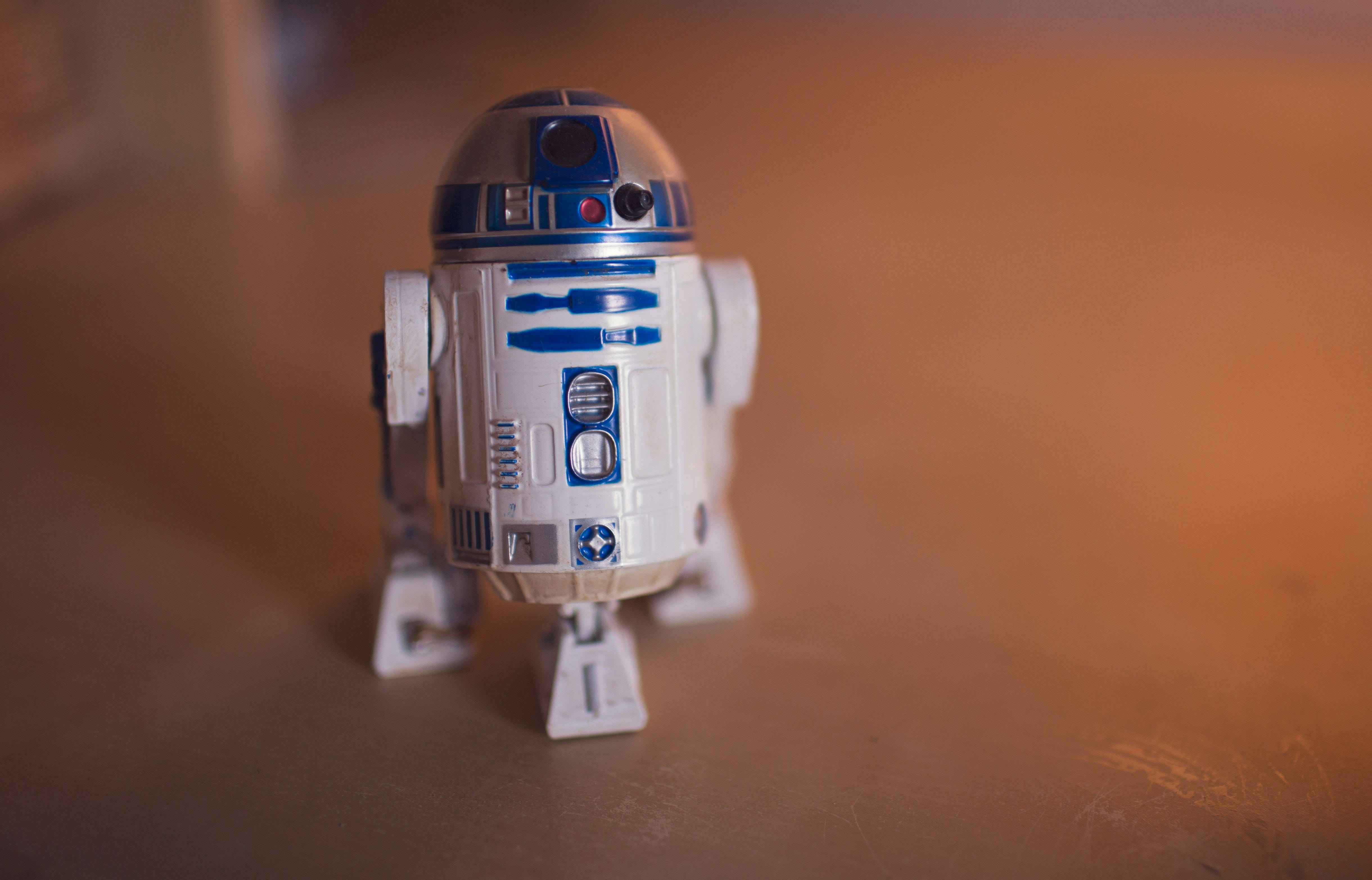
As soon as the toys hit stores my dad took me to Target and bought me my first action figure, R2-D2 (if only we knew then what we know now about those toys…). That was the beginning of a lifelong obsession with those little 3.75-inch plastic dolls. Since then I’ve collected the toys obsessively, wishing that as a child I hadn’t traded away so many or sold so many at garage sales. Because as an adult it’s all I can do to not try and buy back many of them. Damn, nostalgia apparently has its own economy and I’m a sucker for it.
I remember when the original trilogy finally arrived on VHS, I watched them endlessly. When the Special Editions returned to theatres years later, I was standing in line at midnight again (I’ll never forget my astonishment listening to this guy in front of me reciting all of Jabba’s lines in Huttese, it was bonkers). Since then I have not missed opening night for a single Star Wars film.
When Episode I: The Phantom Menace arrived, my friends and I were pumped. We patiently stood in long lines and even waited until midnight outside a rural Kentucky Wal-Mart when the new toys went on sale. We loved it simply because Star Wars existed again after so many years of silence.
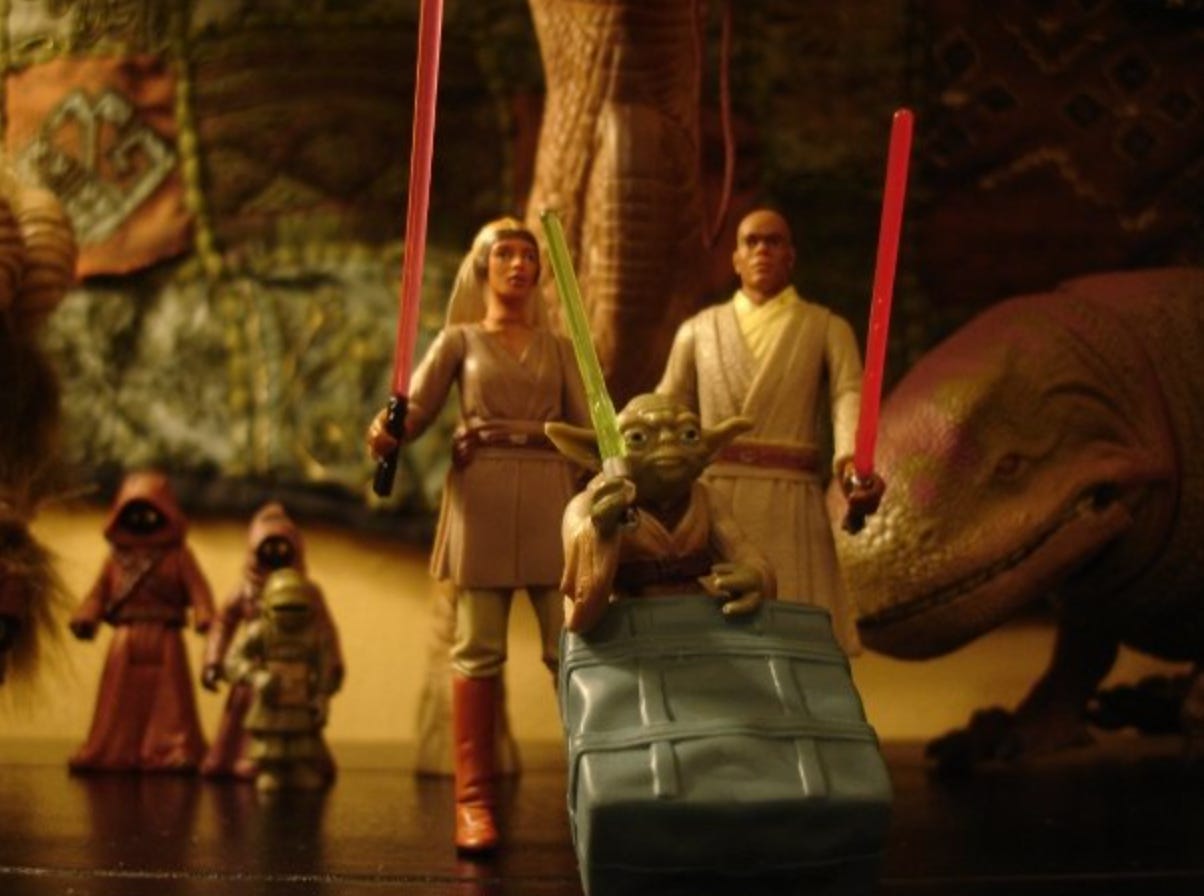
Now I can admit it, I’m a bit of a Star Wars nerd, such a nerd that for 10+ years I used my giant bin of action figures to build an elaborate multi-scene Star Wars nativity display every Christmas (it was even featured on several fan sites!). And as a nerd I have now spent nearly fifty years loving this galaxy far, far away while occasionally being disappointed by parts of it too.
Over time, though, many of us nerds grew frustrated. The prequels often felt weighed down by political exposition and complicated trade negotiations while also introducing one of the most universally disliked characters in modern movie history. The original films had possessed a mythic simplicity that children instinctively understood. The Hero’s Journey told through a durably human narrative of a farm boy, a princess, a rogue smuggler/pirate, and the classic evil villain all wrapped up and tied together through a redemption and hope story arc.
The sequels eventually arrived carrying impossible expectations of their own. The Force Awakens felt promising because it recaptured enough of the original emotional rhythm and predictable formula to make longtime fans hopeful again. Then somehow the trilogy slowly collapsed under competing visions, endless discourse, and the crushing pressure of trying to satisfy several generations of fans simultaneously.
At some point the conversation surrounding Star Wars became almost entirely shaped by outrage. Entire corners of the internet now seem financially dependent upon remaining grumpy and angry about fictional space wizards. Characters are criticized before stories even have time to unfold. Actors get harassed online, directors and writers get attacked personally, and (don’t get me started here…) in a fictional universe populated by Wookiees, Jawas, Hutts, and telepathic green aliens, the fact that some Star Wars fans still found ways to become racist toward actual human beings remains one of the most embarrassing and absurd failures of imagination imaginable.
It’s honestly a little shocking that a fanbase built around wonder, hope, redemption, and the belief that goodness can still overcome darkness somehow became one of the grumpiest, crustiest, and most relentlessly critical corners of the internet.
Star Wars fans might actually be the worst fanbase in existence. I say that as a Nebraska Cornhuskers football fan, which means I understand impossible nostalgia better than most people. Every football season still gets measured against the glory years under Tom Osborne, and every rebuilding effort somehow becomes another referendum on a past that can never fully return. It’s an exercise in the futility of perpetual disappointment somehow sustained by endlessly delusional hope. And Star Wars fandom often feels exactly the same.
But maybe the deeper problem is not really about the films themselves. Maybe the problem is that many of us have quietly expected these newer movies to recreate emotions that belonged to a very specific moment in our lives. We were never only comparing new films against old films. We were comparing adulthood against childhood itself. That is an impossible standard for any story to survive.
Because what many of us actually miss is not merely the original trilogy. We miss who we were when we first encountered it. We miss the impact the experience had on us with parents in crowded theatres. We miss toy aisles and lunch boxes covered in X-Wings. We miss the feeling that adventure still waited around every corner and that goodness would ultimately prevail.
No new film can completely resurrect that experience because those memories belong to a particular season of our lives that cannot fully return. Which is partly why I have become softer toward Star Wars as I have gotten older. Not less thoughtful and for sure not less critical, but just a little softer.
I have actually grown to appreciate films like Solo and definitely Rogue One. And (holy buckets!!!) Andor made me love Rogue One even more because it expanded the emotional and political complexity of that world in genuinely compelling ways.
[side note, sorry… And I recognize that Andor was never really designed for children. It was thoughtful, mature, layered, and extraordinary television, but it occupied an entirely different emotional space than the films that first captured my imagination as a kid.]
So then The Mandalorian arrived and reminded everyone of something essential. Star Wars works best when it remembers how to invite children (and our inner child) into wonder again. Beneath all the mythology, lore, timelines, and discourse, the emotional heartbeat of these stories has always remained remarkably simple.
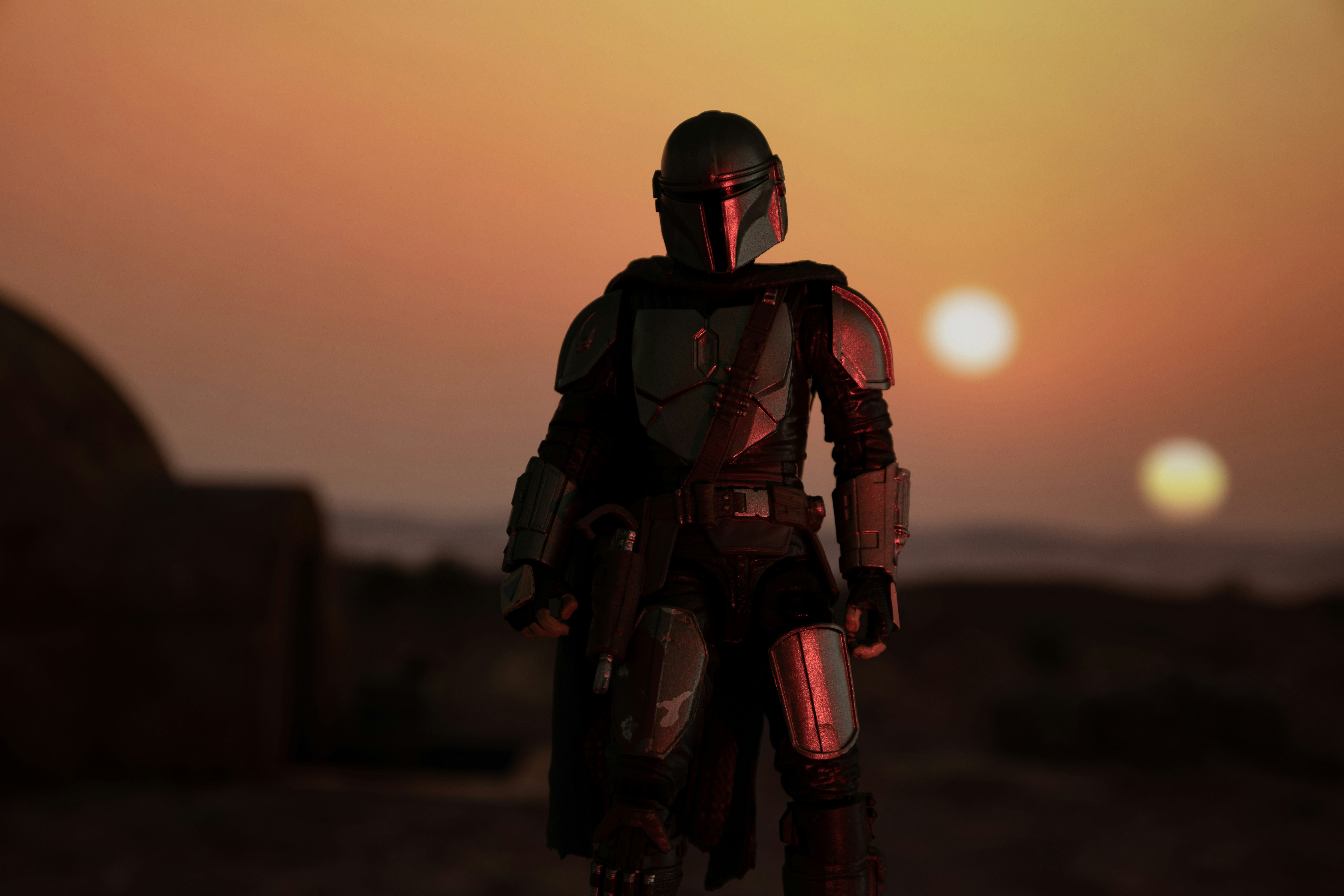
The Mandalorian managed to do something surprisingly rare, it got people who didn’t like Star Wars to fall in love with “Baby Yoda.” Through a simple weekly adventure format, the series remembered that these stories work best when they are grounded in wonder, tenderness, humor, and emotional connection rather than endless mythology and fan-service debates. That mattered more than many critics seemed willing to admit, and ironically was wasted on those same critics.
Which brings me to the newest film (finally… thanks for bearing with me).
Kristina and I want to see The Mandalorian and Grogu last night, (no spoilers here) and we loved it. It’s a super fun, great movie. Sure, it’s not Hamnet or One Battle After Another or Sentimental Value, and if you happen to live in the tiny overlapping Venn diagram of people who love those films and still show up opening night for Star Wars, then good for you because I’m sure you’ll have a pretty great time with it too.
So this morning I woke up and started reading reviews of the new film, and it seriously bummed me out. So many of the reactions felt painfully predictable. After a while the complaints stop sounding like criticism of a movie for kids and start sounding like grief people have never fully acknowledged. The reviews often say far more about the sadness, disappointment, and exhaustion of the person writing them than they do about what actually unfolded on screen.
Somewhere along the way many of us became dishonest about nostalgia. We stopped recognizing that part of what we ache for is not simply better storytelling, but younger versions of ourselves. Versions still capable of uncomplicated wonder, innocence, and emotional simplicity. And maybe that is the deeper loss hidden underneath so much modern fandom. Not that the stories changed, but that somewhere along the way many people lost their ability to be surprised, delighted, or moved by them anymore.
The Mandalorian and Grogu feels refreshingly unconcerned with trying to carry the entire burden of the franchise on its shoulders. It is not desperately attempting to reinvent mythology, satisfy every corner of the fandom, or perform nostalgia with mathematical precision. Instead, it seems far more interested in remembering the emotional spirit that made people fall in love with Star Wars in the first place.
And I feel like that’s kinda always been the assignment. Afterall, George Lucas famously reminded people for years that these were movies for kids, which many adults still seem strangely unwilling to accept. Somewhere along the way many of us emotionally imprinted on Star Wars so deeply that we began expecting every new project to recreate the spiritual experience of being eight years old sitting beside our parents while John Williams overwhelmed our nervous systems with brass instruments and possibility.
No film can fully accomplish that because the ache underneath nostalgia is rarely about art alone. You see, I’d rather live in a world overflowing with Star Wars stories, even if some occasionally disappoint me, than remain stranded back in 1984 endlessly rewinding three worn-out VHS tapes while wondering what happened next.
Some projects will resonate more deeply than others. Some stories will fail. Some moments will unexpectedly capture lightning again. That is simply what happens when storytelling continues across generations instead of remaining frozen in time. And maybe there is something beautiful about that too.
Because I sure hope somewhere tonight another kid walks out of a theatre completely overwhelmed with wonder for the very first time. Somewhere another parent is standing beside them smiling quietly while pretending not to notice that something meaningful just happened. And honestly, after all these years, that still feels a little bit like the Force to me.
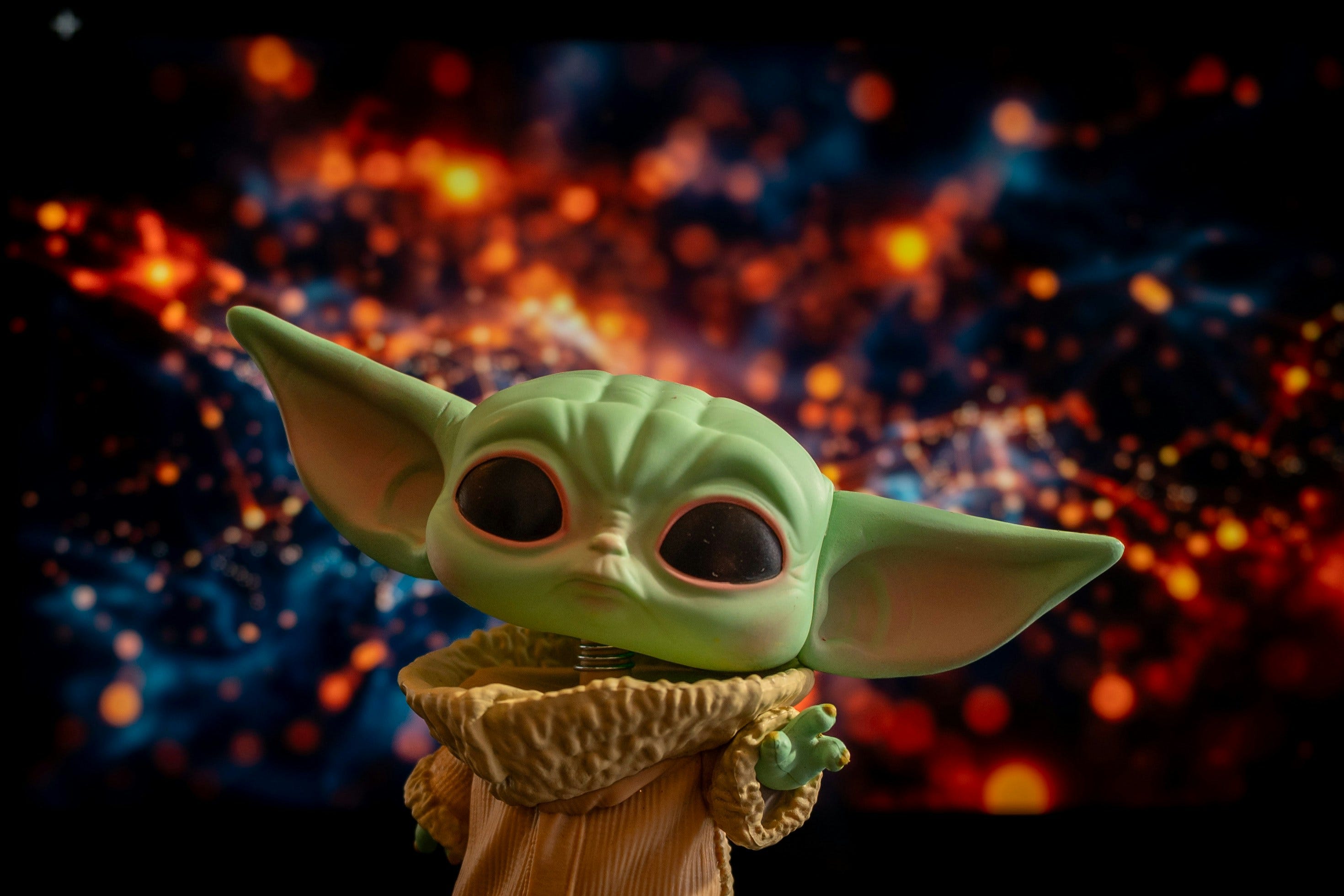
I tried to introduce my oldest daughter to Star Wars starting with the original, she didn’t get it. But she later rediscovered it on her own starting with the prequels and she ended up binging everything! I watched the remastered originals with her, I couldn’t stop laughing at the remixed voices of the Boba Fett and the clone army, a galactic army of Kiwis 🤣🤣